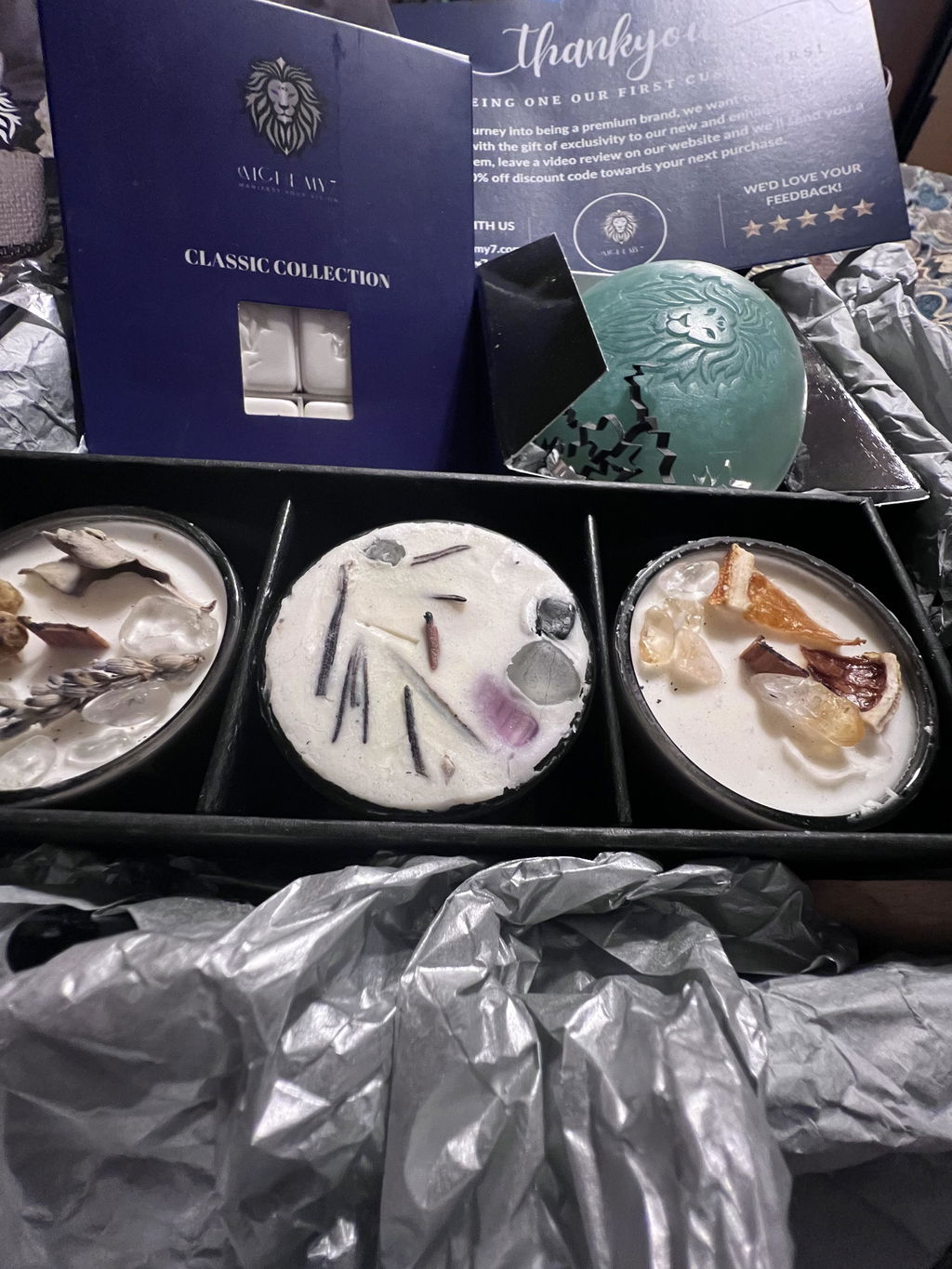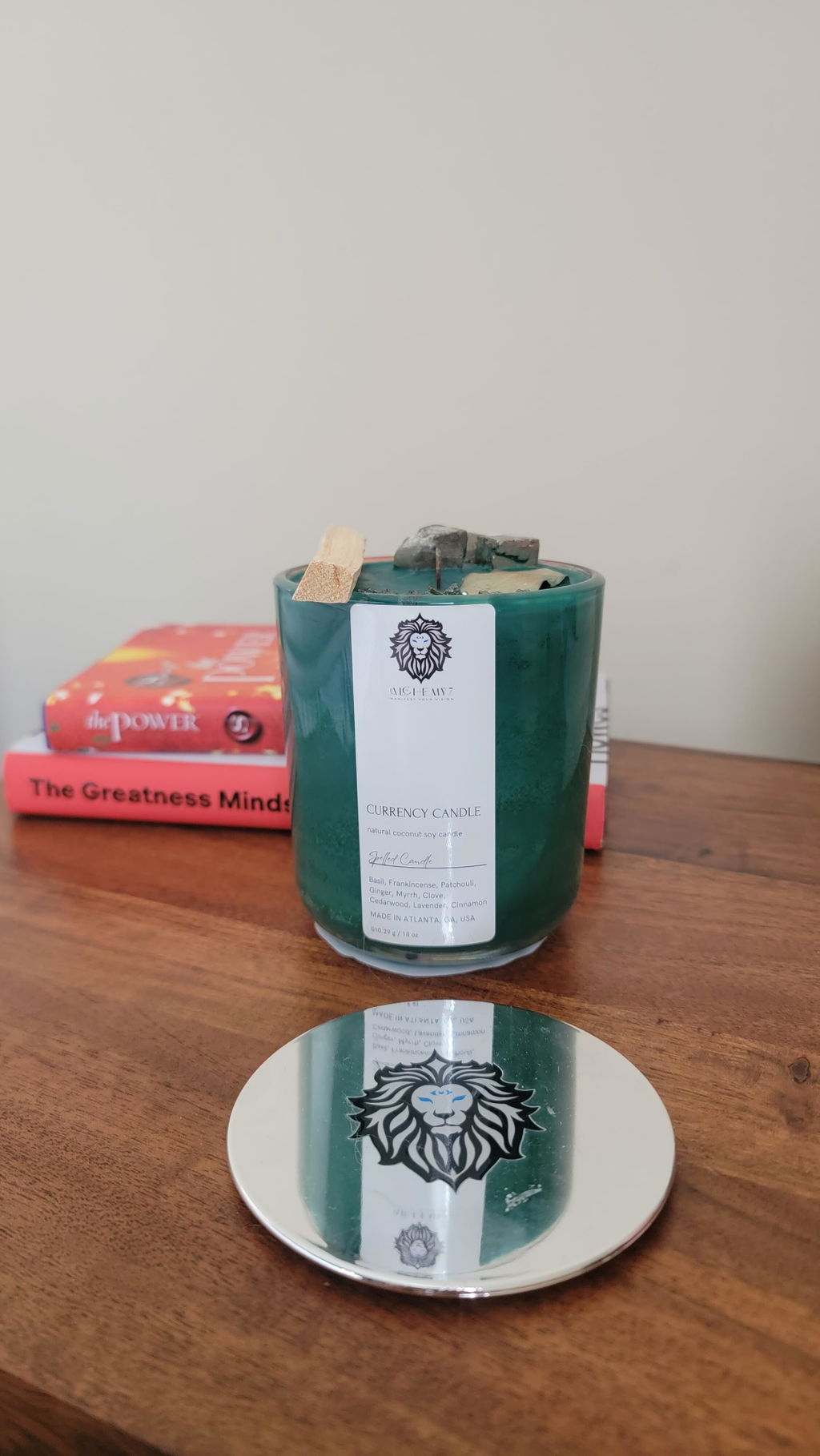


What happens when the desire for change has already become a decision—and you finally have to move?
There comes a moment in life when wanting something to change is no longer enough. Sometimes that moment arrives through heartbreak. A relationship ends, and after the grief, anger, and disappointment, you eventually reach a point where you understand that you cannot remain emotionally attached to a life that no longer exists. You have to decide whether you will continue looking backward or begin moving forward.
Sometimes the realization is less dramatic. You begin to recognize a pattern in your life that has taken you as far as it can. You have made the same choices, experienced the same disappointments, asked yourself the same questions, and somehow keep arriving at the same place. At some point, you have to decide whether you are willing to continue living inside a pattern simply because it is familiar, or whether you are ready to enter something different.
This is the moment when desire becomes decision.
Wanting a different life is one thing. Deciding that you are going to participate in creating one is something else entirely. A decision changes your relationship with what happens next. You are no longer simply imagining another possibility; you have begun to make room for it.
And once that decision is made, people turn toward different things. Some turn toward religion. Some seek therapy, community, philosophy, solitude, work, or relationships. Others turn toward things that help them escape what they are experiencing. And some turn toward spirituality.
Spirituality can offer a space to explore what exists beneath the surface of an experience—to examine the parts of ourselves we may have avoided, confront patterns we may not have understood, and give expression to feelings and desires that are difficult to articulate in ordinary life. For many people, this exploration becomes part of how they move through a transition. It can provide practices, perspectives, and rituals that allow them to engage more consciously with what is happening within them and with the life they are trying to create.
This is where ritual enters the conversation. Not as a substitute for the decision, but as one of the ways a person can engage with it. A ritual can become a deliberate act of expression: a way to acknowledge an ending, establish an intention, release something, call something forward, or create a moment in which the inner world and the outer world are brought into conversation.
But spirituality does not remove us from our lives. If anything, at its most meaningful, it brings us more deeply into them. To explore yourself is eventually to confront what you want, what you fear, what you are willing to release, and what you are prepared to do differently.
Because deciding that your life needs to change is only the beginning.
Eventually, you have to move.
When the Pattern Becomes Visible
Once you decide that something in your life has to change, you begin to see things differently. What may have once felt like a series of unrelated experiences can begin to look like a pattern—the relationships you keep choosing, the situations you keep tolerating, the ways you respond when you are afraid, and the things you tell yourself you want while continuing to make choices that keep you from having them.
This kind of recognition can be uncomfortable because it asks you to look beyond what happened to you and consider what has been happening within you. It is much easier to identify the person who hurt you, the opportunity you did not receive, the circumstance that stood in your way, or the chapter that ended badly. It is harder to examine the parts of yourself that participated in staying where you were.
That is often where the deeper work begins.
For some, this becomes the beginning of shadow work: an intentional exploration of the parts of ourselves that have been pushed aside, denied, misunderstood, or left unresolved. The anger we learned not to express. The fear we disguised as control. The desire we convinced ourselves we no longer had. The beliefs we inherited before we were old enough to question them. The patterns that once protected us but no longer serve the person we are becoming.
Shadow work is not about searching for everything that is wrong with you. It is about becoming willing to see yourself more completely.
And that willingness can change the direction of a person's life.
This is one of the places spirituality can become meaningful. It can provide a language for experiences that are difficult to explain psychologically or intellectually, while creating space to explore the relationship between the inner self and the world beyond it. Through meditation, prayer, ceremony, divination, ritual, journaling, ancestral practices, or other spiritual traditions, people have developed ways of sitting with themselves long enough to hear what may otherwise remain buried beneath the noise of everyday life.
The value is not necessarily in having an immediate answer. Sometimes it is in having the freedom to ask a better question.
What am I really feeling?
What am I holding onto?
What am I afraid to release?
What do I actually want?
And perhaps most importantly: If I already know that I want my life to change, who am I willing to become in order for it to be different?

That question takes us somewhere beyond simply wanting a new outcome. It asks us to participate in creating one.
The Turning Point
Seeing a pattern is not the same as knowing what to do with it. Sometimes the awareness comes long before the answer. You may understand why you keep returning to the same kind of relationship without knowing how to choose differently. You may recognize that you have been carrying an old wound without knowing how to finally put it down. You may understand that a chapter has ended while still grieving the life you thought you were going to have.
This is where healing becomes more than simply understanding what happened.
Healing asks you to decide what happens next.
That does not mean forcing yourself to be over something before you are ready, or pretending that understanding a pattern automatically makes it disappear. Some things take time. Some losses change us permanently. Some experiences have to be felt before they can be released. There is no spiritual shortcut around being human.
But there is a difference between honoring where you are and remaining there indefinitely.
At some point, you begin turning toward yourself with a different kind of attention. You begin asking what you need rather than only asking why something happened. You begin considering what would make your life feel more whole, what kind of relationships you want to experience, what kind of person you want to become, and what you are no longer willing to carry into the next chapter.
This is one of the gifts spirituality can offer. It creates room for reflection without demanding that every experience have an immediate explanation. It allows you to work with symbols, practices, traditions, meditation, prayer, ceremony, and ritual as ways of engaging with experiences that may not fit neatly into words.
For some people, that may mean sitting quietly with a candle and allowing themselves to grieve. For someone else, it may mean taking a spiritual bath as a deliberate act of release, writing an intention and speaking it aloud, working with herbs, meditating, praying, or creating a ceremony to mark the end of one chapter and the beginning of another.
The practice itself may look different from person to person. What matters is the conscious relationship you create with it.
You are giving yourself permission to stop moving through your life unconsciously.
And that can be profoundly liberating.
Because when you begin to understand yourself more deeply, you also become more capable of choosing your direction. You can decide what you want to leave behind without denying what it taught you. You can acknowledge what hurt you without allowing it to determine everything that comes next. You can make space for something new without having to know exactly how the story will unfold.
Eventually, the question changes.
It is no longer only, “How did I get here?”
It becomes, “Where do I want to go?”
And that is where intention begins.
What Do You Want?
It is a question we need to ask ourselves—and be completely honest with ourselves in answering: What do you actually want?
There is something exhilarating about finally giving yourself permission to want something.
Not what you think you should want. Not what would make someone else happy. Not what seems reasonable based on where you are today. What do you actually want?
A different relationship. A new home. More money. A business of your own. A healthier body. A different career. Travel. Love. Freedom. Peace. Adventure. A life that feels larger than the one you have been living.
After spending so much time examining what went wrong, what you need to heal, and what you are ready to leave behind, there comes a point when your attention has to turn toward possibility.
This is where desire becomes interesting.
Desire is not something we need to apologize for. It is one of the ways we recognize that there is more available to us than what currently exists. It can be the spark that makes us question a life that no longer fits and imagine one that does.
And imagination matters.
Before most things exist in the physical world, they exist somewhere else first—as an idea, a possibility, a picture in someone's mind. The house, the business, the relationship, the journey, the work of art, the life you have not lived yet. Someone had to imagine it before there was anything to see.
This is part of what makes manifestation so compelling. Beneath all of its modern language and practices is a very old human impulse: the desire to participate consciously in what happens next.
You are not simply waiting for life to happen to you. You are asking yourself what you want to create.
That question can be surprisingly difficult because it requires honesty. It is easy to say you want success when what you really want is freedom. To say you want love when what you actually want is to feel safe. To say you want more money when what you really want is the ability to stop living in fear of the next bill. Sometimes what we think we want is only the surface of something much deeper.
This is where intention becomes important.
An intention is more than a wish. It gives direction to desire. It takes something that exists inside you and makes it conscious enough to act upon.
And once you know what you want, you can begin to put it into the universe—not as a passive request, but as a declaration of participation.
This is the compelling part.
You are allowed to want something different. You are allowed to imagine a life you have never experienced. You are allowed to believe that your choices, your attention, your actions, your spiritual practices, and your relationship with the unseen can all play a role in what you create.
But once you have named what you want, something else is required.
You have to begin moving toward it.
Put It Into Motion
Once you know what you want, you have to become clear about what you are asking for. Not because the universe needs you to use the perfect words, but because you do. Clarity changes the way you see your own life. When you can name what you want, you can begin recognizing what belongs in that future and what does not.
This is where spirituality can become a powerful part of the process. It gives you a way to work with intention instead of leaving your desires as vague thoughts that come and go. You can write them down, speak them aloud, pray over them, meditate on them, create a ritual around them, or work with herbs, candles, symbols, or other practices that hold meaning for you. You are taking something that exists within you and deliberately giving it your attention.
There is freedom in that.
You are no longer simply reacting to whatever happens around you. You are making a conscious statement about the direction you want your life to take.
And this is where I think we often misunderstand manifestation.
Manifestation is sometimes presented as though wanting something intensely enough should be enough to bring it into existence. But wanting is only one part of the relationship. If you want a new career, there is an application to submit. If you want a different relationship, there may be a relationship you need to leave—or a conversation you have been avoiding. If you want financial freedom, there are decisions about money that eventually have to be made. If you want to build something of your own, eventually you have to begin building it.
Your intention gives you a direction. Your choices give that direction movement.
That does not make the spiritual part meaningless. It makes it more meaningful.
When you light a candle with an intention, you know why you lit it. When you take a spiritual bath to mark a release, you know what you are choosing to leave behind. When you work through shadow, you begin to understand what has been influencing your choices. When you speak your desires into the universe, you are giving language to something you have decided you want to experience.
You are participating.
And participation requires more than belief. It requires attention. It requires discernment. Sometimes it requires courage. Sometimes it requires doing something completely unfamiliar.
The universe cannot choose for you what you are unwilling to choose for yourself.
At some point, you have to put something into motion.
Where Intention Meets You
There is a reason people have turned to spirituality for thousands of years. Human beings have always wanted to understand their place in the world, make meaning from what they experience, and believe that their lives can be shaped by more than circumstance alone. We have created ceremonies for beginnings and endings, prayed for what we could not control, worked with plants and symbols, sought guidance from the unseen, and created sacred moments around the things that mattered most to us.
The practices may change. The human desire does not.
We want to heal. We want to love. We want to prosper. We want to understand ourselves. We want to leave behind what no longer fits and create something that feels more aligned with who we are becoming.
And sometimes we need a spiritual practice to help us enter that process consciously.
That is the beauty of ritual. It gives us permission to pause long enough to acknowledge what is happening within us and to express what we want to move toward. It gives the invisible somewhere to live. A feeling becomes a ceremony. A decision becomes an intention. A desire becomes something we are willing to name.
But spirituality was never meant to remove us from our lives.
It invites us more deeply into them.
If you want a different life, you have to become willing to participate in creating it. You have to examine the patterns that brought you here, make the decisions that move you beyond them, become honest about what you desire, and allow yourself to imagine possibilities that may not yet exist in your physical world.
Then you have to act on what you have discovered.
That is what makes manifestation so compelling. At its heart is not the promise that you can simply think something into existence. It is the belief that your consciousness matters—that what you focus on, what you believe, what you choose, what you practice, and what you do can influence the life you create.
Something needs to change.
I can do something about it.
That is the beginning of conscious participation.
And perhaps that is what we are really seeking when we turn toward the spiritual. Not an escape from reality, but a deeper relationship with it. A way to explore what exists within us, to understand what we are capable of becoming, and to consciously engage with the forces—within and beyond ourselves—that give our lives meaning.

At Haus Of Alchemy, this is the space we believe in.
A space where spirituality is not about escaping your life, but engaging with it. Where ritual is not simply something you perform, but something you can use to explore intention, express desire, mark transformation, and participate consciously in the life you are creating.
We believe there is power in knowing what you want.
There is power in deciding that you are ready for something different.
And there is power in giving that decision intention—and then having the courage to move.
Because your life does not change simply because you wished for a new chapter.
You have to turn the page.