IMPORTANT INFORMATION FOR HOUSEHOLDS WITH ANIMALS
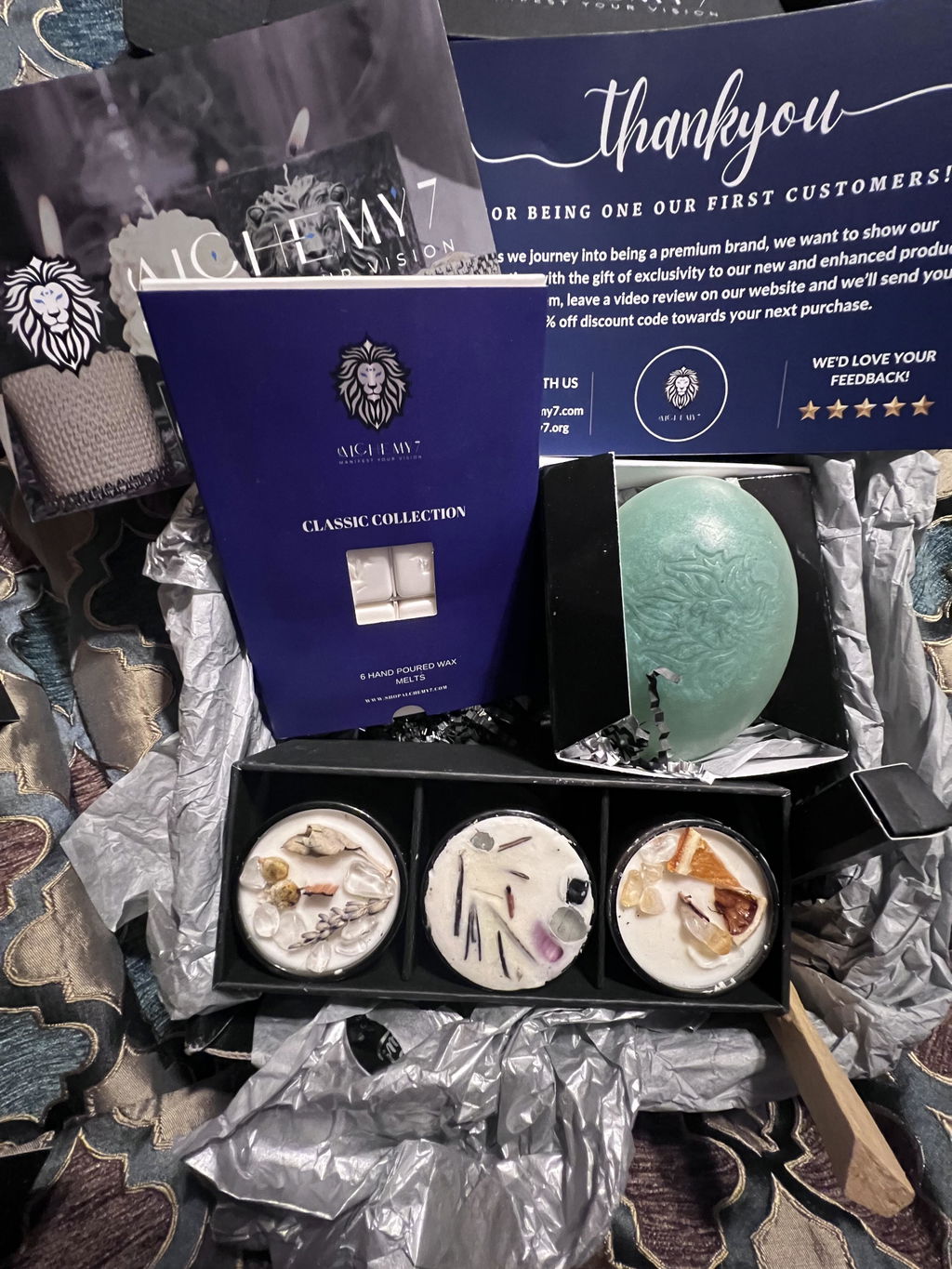
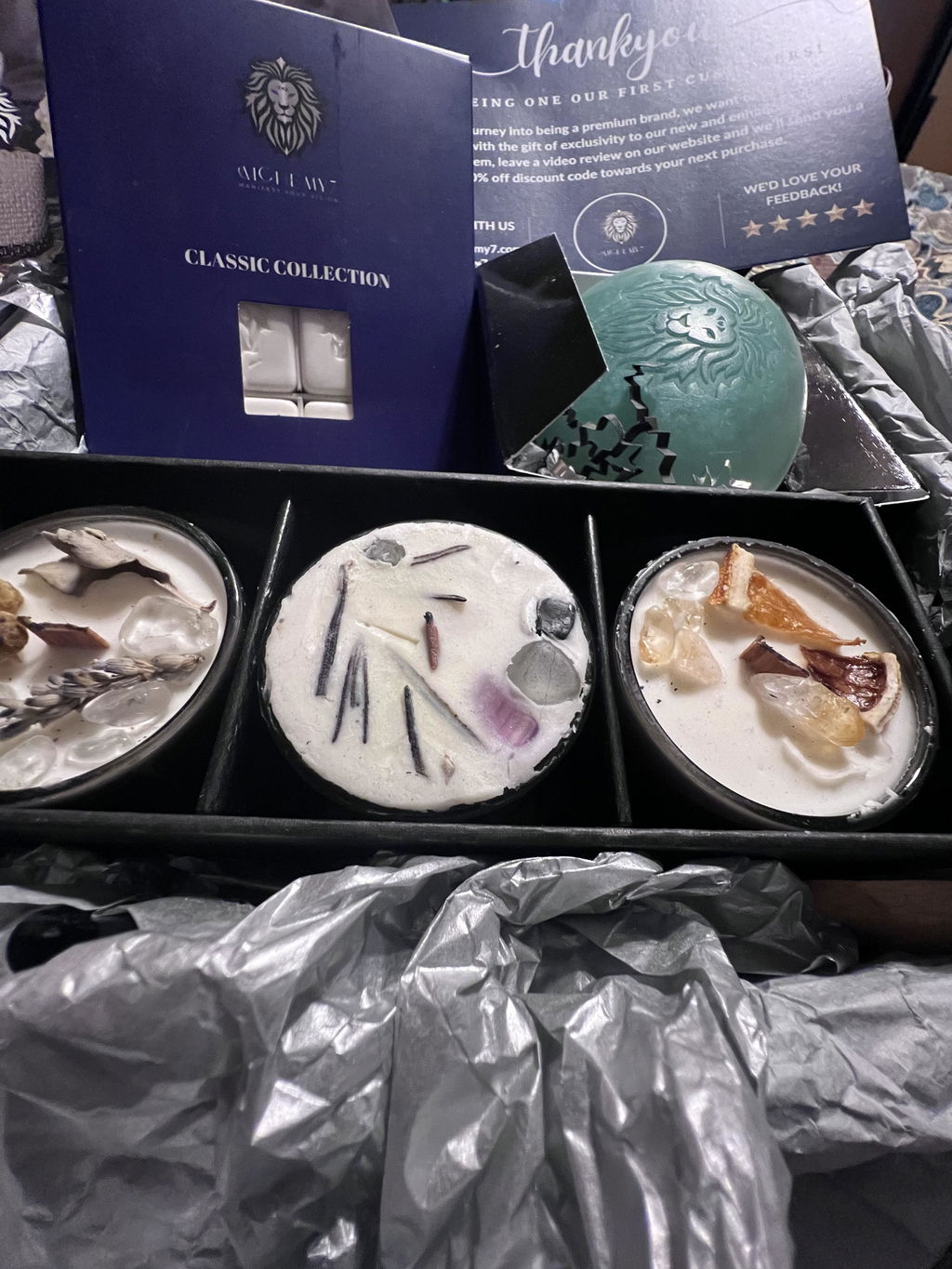
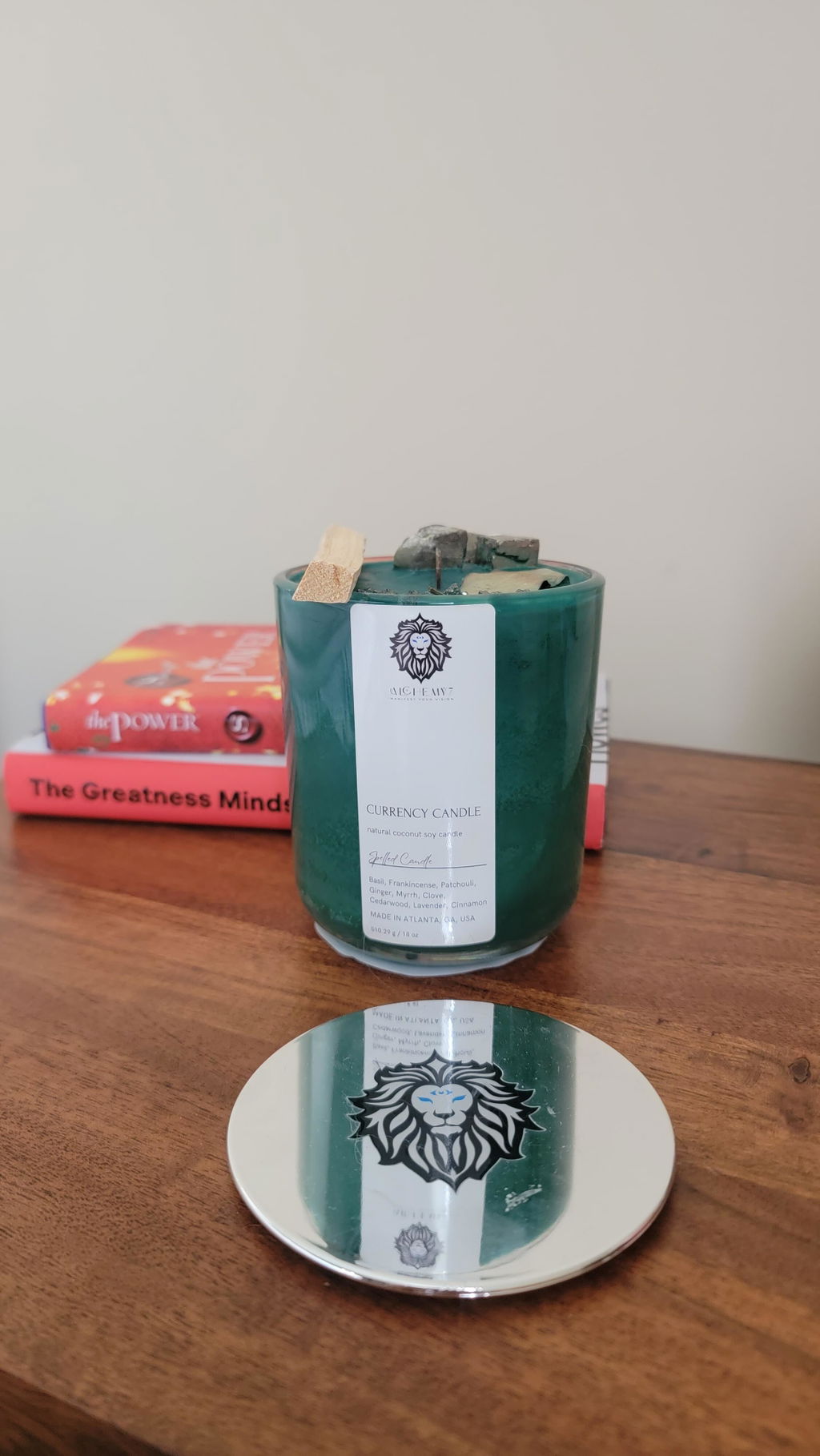
Haus Of Alchemy offers candles, aromatic products, essential oils, botanicals, herbs, and other creations that may contain ingredients or materials that can present safety considerations for household animals.
Animals may respond differently to fragrances, essential oils, smoke, and other substances than humans do. Cats, birds, dogs, rabbits, rodents, reptiles, and other animals may also have species-specific sensitivities.
Haus Of Alchemy products are intended for human use unless a product is specifically identified otherwise. They should never be applied to, administered to, or intentionally used on an animal.
Pet owners are responsible for determining whether the use of a product in their household is appropriate for their animals and should consult a qualified veterinarian when there is uncertainty.
CANDLES & AROMATIC PRODUCTS
Some Haus Of Alchemy candles and aromatic products contain essential oils or fragrance materials that are released into the surrounding environment during use.
A passive candle does not intentionally disperse essential-oil droplets into the air in the same manner as an active diffuser; however, strong fragrances may still cause respiratory irritation or discomfort in some animals.
When burning a candle in a household with animals:
- Keep the candle on a stable, secure surface that animals cannot reach or knock over.
- Never leave a burning candle unattended.
- Keep animals away from the flame, hot wax, containers, matches, and other candle accessories.
- Use candles in an adequately ventilated area.
- Avoid prolonged exposure to strong fragrances.
- Do not allow animals to ingest wax, oils, botanicals, herbs, or other candle materials.
- Extinguish the candle if an animal appears uncomfortable or develops signs of respiratory or other distress.

ESSENTIAL OILS & PET EXPOSURE
Essential oils are concentrated substances, and exposure can occur through ingestion, skin contact, or inhalation.
The potential risk depends on the specific oil, concentration, formulation, amount of exposure, route of exposure, and species involved. Cats may be particularly sensitive to certain essential oils.
For these reasons, Haus Of Alchemy does not represent any particular essential oil as universally safe for use around animals.
Never intentionally apply a Haus Of Alchemy essential oil, candle product, fragrance product, or other human-use creation directly to an animal.
Keep concentrated essential oils and products containing them secured and inaccessible to animals.
ESSENTIAL OILS OF PARTICULAR CONCERN
Certain essential oils have been associated with poisoning or other adverse effects in dogs and cats. Examples reported by veterinary toxicology resources include:
- Tea tree (melaleuca)
- Eucalyptus
- Peppermint
- Cinnamon
- Citrus oils
- Pennyroyal
- Wintergreen
- Pine oils
- Ylang ylang
- Clove
- Thyme
- Juniper
- Anise
This list is not exhaustive and should not be interpreted as establishing that other essential oils are safe.
Risk can vary substantially according to concentration, formulation, dose, route of exposure, and the individual animal. Pet Poison Helpline specifically identifies several of these oils as associated with poisoning in cats and/or dogs.
CATS
Cats require particular caution around essential oils because they can be especially sensitive to certain compounds and may be exposed through skin contact, ingestion during grooming, or inhalation.
Do not intentionally apply essential oils to a cat.
If a cat has access to a product containing essential oils, prevent further exposure and contact a veterinarian if exposure is suspected.
BIRDS & OTHER SMALL ANIMALS
Birds have highly sensitive respiratory systems, and additional caution is warranted when using products that release fragrances or other airborne substances in their environment. ASPCA guidance recommends avoiding essential-oil diffusers in homes with birds because of this sensitivity.
Similar precautions should be considered for rabbits, guinea pigs, hamsters, and other small animals.
Keep scented candles and products containing essential oils away from animal habitats and provide appropriate ventilation.
For species-specific questions, consult an avian, exotic-animal, or other appropriately qualified veterinarian.
SIGNS OF POSSIBLE EXPOSURE
Animals exposed to essential oils or other potentially harmful substances may develop signs that can include:
- Drooling
- Vomiting
- Weakness or unusual behavior
- Unsteadiness or difficulty walking
- Tremors
- Coughing or wheezing
- Difficulty breathing
- Skin or eye irritation
- Other unexpected symptoms
The type and severity of symptoms can vary depending on the substance and exposure.
IF YOUR PET IS EXPOSED
If your animal ingests, comes into direct contact with, or appears to have been significantly exposed to an essential oil or other potentially harmful product, contact your veterinarian or an appropriate animal poison-control service promptly.
For suspected poisoning in the United States, the ASPCA Animal Poison Control Center is available at (888) 426-4435.
If your pet is experiencing difficulty breathing, collapse, seizures, severe weakness, or another emergency, seek immediate veterinary care.
Do not attempt to induce vomiting or administer treatment unless directed by a veterinarian or qualified animal poison-control professional.
RESPONSIBLE USE
Haus Of Alchemy provides product information to help customers make informed decisions about the use of our creations. We cannot evaluate the individual health, species, medical history, sensitivities, or environmental circumstances of every animal.
Information on this page is general safety information and is not veterinary advice.
Customers are responsible for using products according to their intended purpose, following product-specific instructions, keeping products appropriately secured, and obtaining professional veterinary guidance when questions arise concerning an individual animal.
When it comes to animals, if there is uncertainty, do not expose the animal until you have obtained appropriate veterinary guidance.
Last Updated: September 2026